


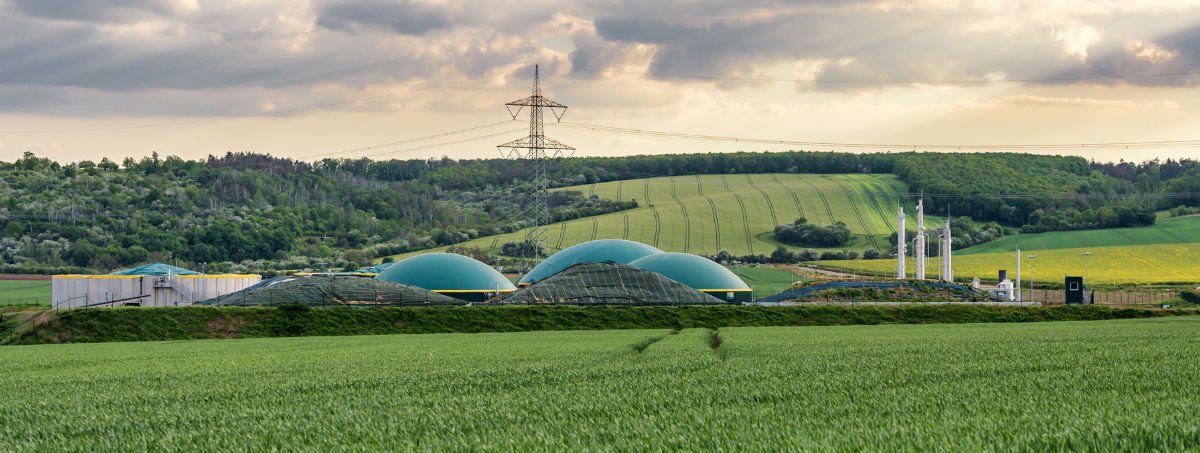
Planners at Cheshire West and Chester Council have unanimously approved the conversion of a former waste pre-treatment site in Northwich into a dedicated biomethane production facility.
The 6 October decision clears the way for a plant that will turn 177,000 tonnes of industrial organic and food waste a year into gas for the national grid.
The application was submitted by Northwich Biogas, a subsidiary of Copenhagen Infrastructure Partners, which acquired the Lostock Gralam site from Orsted in 2025 through its Advanced Bioenergy Fund I. Copenhagen Infrastructure Partners manages around €37 billion across 15 funds, and the Northwich deal marked its entry into the UK bioenergy market.
The structural driver is demand for domestically produced biomethane that can displace natural gas in the existing grid. The developer says output will be enough to heat more than 10,000 homes a year, and the plant will employ up to 25 staff.
The project involves a full refurbishment of the site to phase out its municipal solid waste pre-treatment operation. New infrastructure will include a digester tank, biomethane upgrading units and carbon capture technology, with feedstock including food production effluents, wash waters, fat trap waste and other organic liquids.
The carbon capture element is expected to recover 28,100 tonnes of biogenic carbon dioxide a year, which will be supplied to food, beverage and manufacturing customers. Feedstock will arrive by road, with deliveries capped at 96 heavy goods vehicle movements a day.
Odour was the main concern raised during consultation, with objections from several parish councils and Northwich Town Council. Officers told the committee that mitigation measures would be put in place around odour and air quality, and that technical assessments had been carried out to set limits.
Copenhagen Infrastructure Partners has said it expects the upgraded plant to be operational by 2028, handling more than 170,000 tonnes of feedstock a year.
For the sector, Northwich shows investors converting legacy waste treatment sites into biomethane and biogenic carbon dioxide producers, with local planning approval hinging on credible odour and traffic controls.
Source: bioenergy-news.com / energyglobal.com / briefglance.com





.png)

