


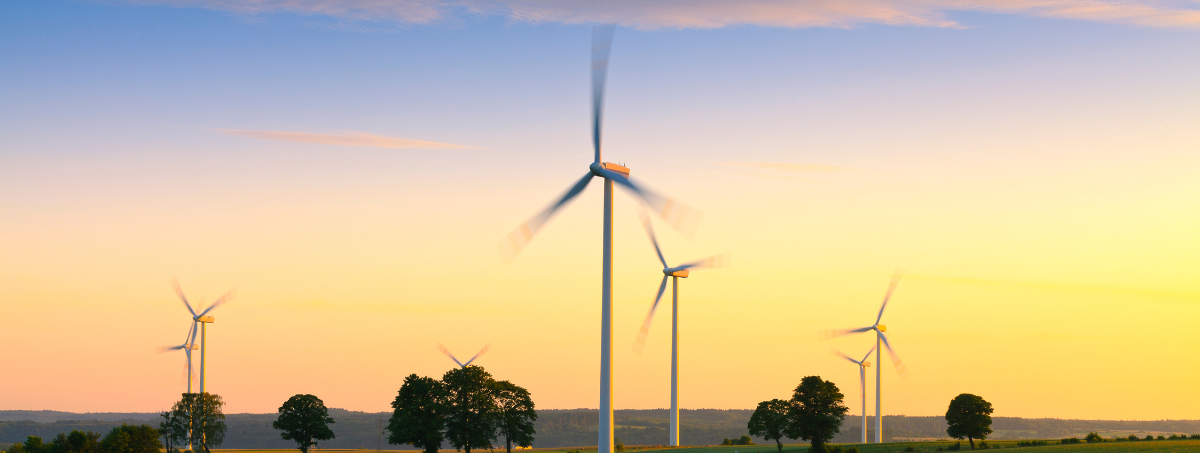
Amazon has signed a 36MW power purchase agreement with Statkraft for the Mossy Hill wind farm near Lerwick in the Shetland Islands. The long-term contract gives the developer the revenue certainty to move the project forward, while adding another contracted renewable source to Amazon’s UK portfolio.
Amazon is listed on Nasdaq and reported net sales of $716.9 billion (€618.7 billion) and net income of $77.7 billion (€67.0 billion) for 2025. Statkraft is an Oslo-headquartered renewable energy generator wholly owned by the Norwegian state, with around 6,500 employees in 20 countries, and it reported underlying EBITDA of NOK 26.8 billion (about €2.3 billion) on record generation of 72.1TWh in 2025.
The structural driver is the corporate power purchase agreement as a financing route for renewable developers. Long-term contracts with large electricity buyers provide the contracted demand that projects need to reach construction, while giving buyers visibility over their sourcing and decarbonisation plans.
Mossy Hill is expected to begin operating in November 2030 and could generate enough electricity for more than 57,000 homes a year. It follows Amazon’s agreements linked to the Moray West offshore wind farm and Chirmorie Wind Farm in South Ayrshire, which is the UK’s largest onshore wind power purchase agreement.
Amazon has backed more than 50 carbon-free energy projects in the UK with over 1GW of combined capacity, and says it has been the UK’s largest corporate purchaser of carbon-free energy for five consecutive years according to BloombergNEF. Its UK low-carbon investments exceed about $4 billion (€3.5 billion), and the deal supports its commitment to reach net-zero carbon across its operations by 2040.
John Boumphrey, Amazon’s UK and Ireland country manager, said “from the Shetland Islands to the coasts of England, our renewable energy investments are creating real jobs and powering local communities.” Kevin O’Donovan, Statkraft’s UK and Ireland country manager, said the partnership “gives us the certainty to move the project forward” and added that “Shetland has a proud history of energy production.”
For the sector, Mossy Hill shows corporate buyers continuing to underwrite new UK wind capacity through long-term contracts, giving developers the certainty needed to bring remote island projects to construction.
Source: esgnews.com / aboutamazon.com / statkraft.com





.png)

