


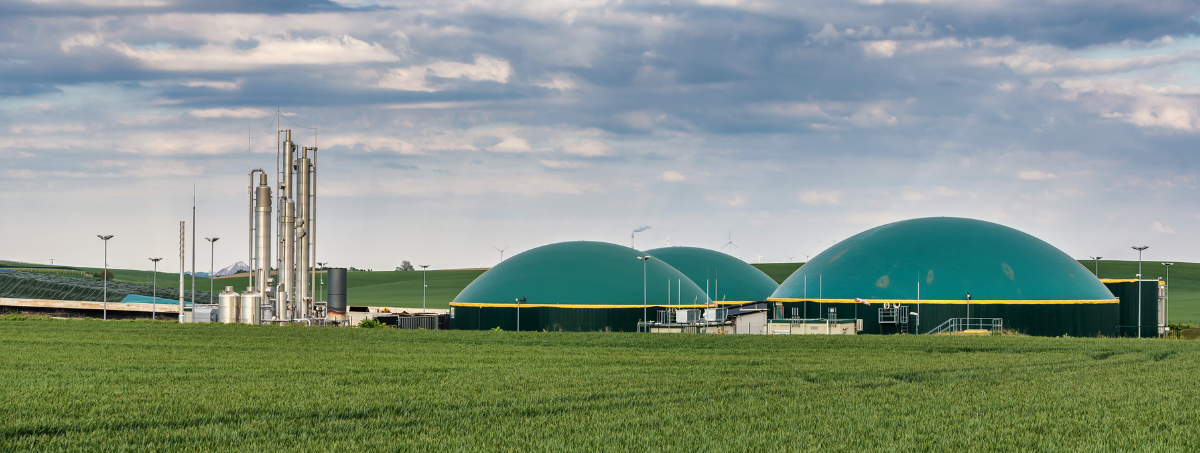
Gas Networks Ireland has opened its €32 million Central Grid Injection facility in Mitchelstown, County Cork, giving biomethane producers that sit too far from the pipeline network a way to supply renewable gas to the grid. The company says it is the first facility of its kind in Ireland and Europe, with capacity to inject up to 700GWh of biomethane a year.
Gas Networks Ireland operates a 14,758km gas pipeline network and has delivered the Mitchelstown project with design by Fingleton White and construction by GMC Utilities Group, a privately held Dublin civil and utilities engineering group employing more than 500 people. The facility forms part of the Green Renewable Agricultural Zero Emissions project, known as GRAZE, which aims to demonstrate agricultural biomethane clusters that can be replicated across the country.
The structural driver is the distance between biomethane producers and the pipeline. Plants that cannot connect directly can deliver gas by trailer to Mitchelstown, where it is prepared to grid standards and injected into the national network, then travels to customers through existing infrastructure. The site is designed to receive renewable gas produced from farm and food waste, and Gas Networks Ireland estimates it could deliver around 130,000 tonnes of CO2 savings a year.
The opening follows the recent direct connection of two anaerobic digestion plants in Dublin and Meath to the network. Together with Southern Area capacity upgrades already under way, the company’s investment in the Munster region will exceed €80 million.
Gas Networks Ireland has also signed agreements to connect seven major new producers, including the €35 million College Group biomethane plant in County Meath and Bia Energy’s €90 million biomethane facility in Dublin.
David Kelly, chief executive of Gas Networks Ireland, said “what we are seeing is a growing appetite from prospective biomethane producers to develop homemade renewable gas and to bring it onto the national network.” He added that biomethane “has the potential to create new revenue and diversification opportunities, by turning agricultural and organic resources into renewable energy.”
For the sector, Mitchelstown removes a location barrier for biomethane producers, widening the pool of farm and food waste plants that can bring renewable gas to market without a dedicated pipeline connection.
Source: bioenergy-news.com / eolasmagazine.ie / rte.ie








.png)

