


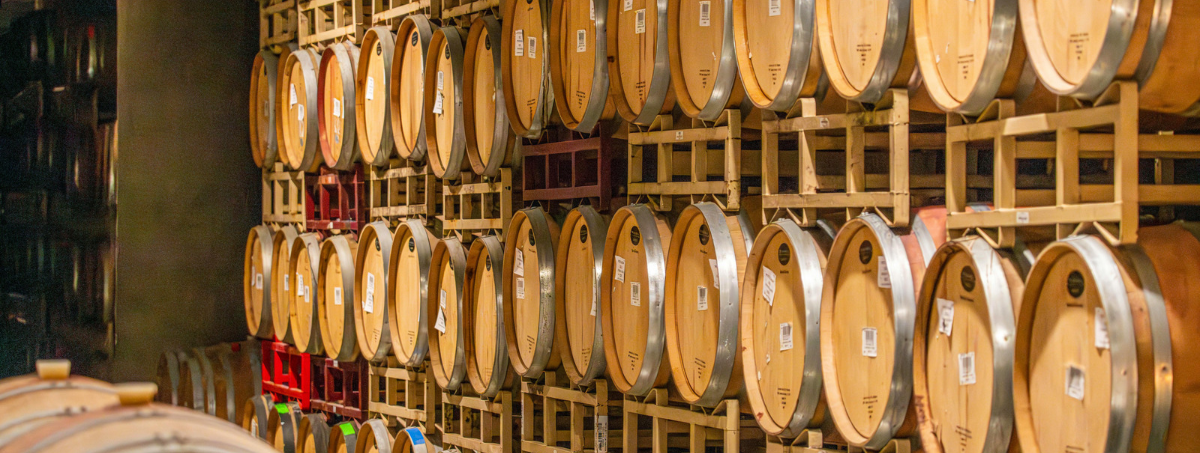
Defined Wine in Patrixbourne, near Canterbury, has installed a unit that captures the carbon dioxide produced during grape fermentation so it can be reused, reported by BBC News. The company believes it is the first UK winemaker to use the technology, which also gives drinks producers a way to secure their own CO2 supply.
The system was developed by Cork and Capture, a climate technology company based in Ashford, Kent, founded by a carbon capture specialist who previously worked on CO2 infrastructure projects for Shell and Heidelberg Materials, according to Brewers Journal. Its modular units are sold as a subscription service to independent wineries, breweries and cider makers.
The structural driver is volatile commercial CO2 supply. The UK has experienced carbon dioxide shortages in recent years because rising energy prices closed fertiliser plants where CO2 is a by-product. Hepworth and Co Brewers in West Sussex already uses the system, and chairman Andrew Hepworth said “CO2 supply is quite volatile” and that it can hurt the company if commercial suppliers are unavailable.
Cork and Capture compresses and purifies the captured gas and makes it available for reuse on site. Chief executive Henry Sugden of Defined Wine aims to use the CO2 at the winery and sell any excess to other producers, and said the company wanted to “not increase the pace of climate change”. He added that “it’s the right thing to do.”
Jemima Bland of Cork and Capture said “we save breweries and wineries, and other businesses that ferment, money by capturing the CO2 from their production.” The company plans to establish networks for capturing and reusing biogenic CO2 across Kent and Sussex before expanding into global markets.
Bland said the UK’s relatively new wine sector and growing small brewing sector let the company bring “innovation and sustainability” to the industry. Food grade CO2 is also used in greenhouses, meat packaging, baby foods, fresh foods and baked products, and as dry ice for keeping food fresh in transport, and Bland described the prospect of cutting transport costs by using it closer to where it is needed as “very exciting”.
For the sector, the Defined Wine installation shows small drinks producers turning fermentation gas into a secured supply, with surplus CO2 becoming something they can sell to neighbours.









.png)

