


Ireland’s heat sector is the most significant unaddressed frontier in decarbonisation. In July 2025, the Government approved drafting of the Renewable Heat Obligation Bill 2025, obligating fossil fuel heating suppliers to ensure a rising proportion of supply is renewable, starting at 1.5 per cent in 2026 and rising to 10 per cent by 2030. Fossil fuels met over 90 per cent of Ireland’s heat demand in 2024. For green business executives, the RHO is Ireland’s most significant heat policy signal.
The RHO is commercially grounded and long-term in its design. By obligating fossil fuel suppliers rather than subsidising technologies, it creates a technology-neutral demand signal giving renewable fuel producers certainty through to 2045. The Infrastructure, Climate and Nature Fund has allocated €100–200 million to biomethane capital grants under the Sectoral Capital Plan 2026–2030. The dimensions most relevant to sustainability companies are biomethane production, renewable liquid fuel supply and heat pump deployment.
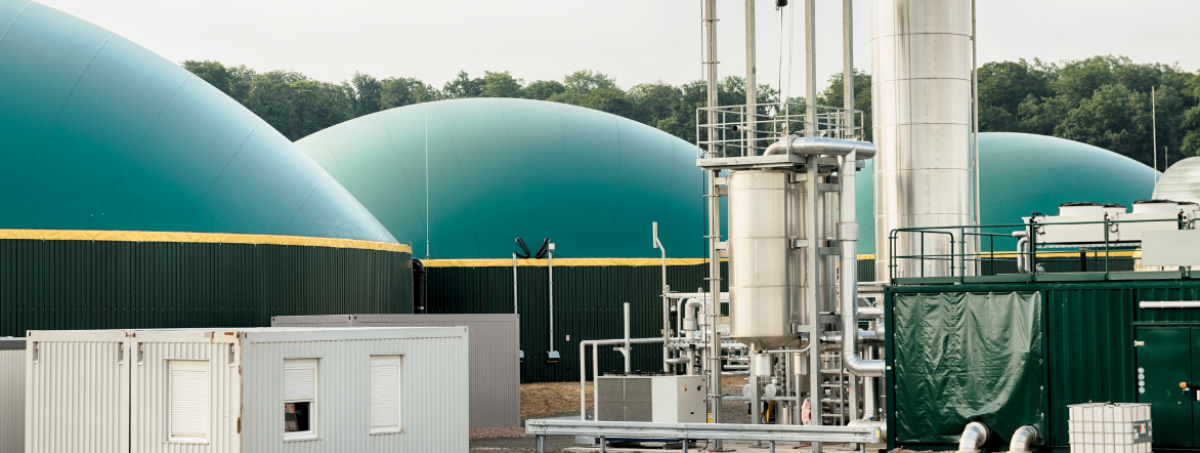
The biomethane dimension is the most commercially novel opportunity. Ireland’s National Biomethane Strategy targets 5.7 TWh of indigenous biomethane by 2030, requiring between 140 and 250 new anaerobic digestion facilities. The RHO creates the demand-side certainty developers and lenders need. Gas Networks Ireland confirmed that biomethane injection into the national gas network is the most efficient method, positioning the gas grid as delivery infrastructure for Ireland’s renewable gas sector.
The renewable liquid fuels dimension is equally commercially significant. The RHO will be eligible for hydrotreated vegetable oil and other qualifying fuels, providing an abatement pathway for the 700,000 Irish homes heated by oil. A 20 per cent HVO and kerosene blend would deliver reductions equivalent to 160,000 heat pumps. Green companies with liquid fuel distribution or HVO blending capabilities are well positioned to compete in this market.
The EU Commission’s Detailed Opinion, issued on 29 March 2026, adds complexity that creates additional commercial opportunity. The Commission found that the Bill’s biomethane multiplier is incompatible with EU internal market rules, requiring a redesign. William Fry analysis from May 2026 confirms commencement is now expected in 2027. For environmental innovation consultancies, the redesign process creates an important near-term advisory market.
Three actions would help organisations position ahead of RHO commencement. First, sustainable business energy suppliers and fuel distributors should begin compliance modelling, mapping volumes against the 2027 obligation level and identifying qualifying renewable fuel procurement routes. Second, biomethane developers should engage with the Biomethane Implementation Group to ensure project finance models reflect the post-redesign mechanism. Third, heat pump and district heating developers should align build programmes with the RHO’s rising obligation levels.
The Renewable Heat Obligation is a landmark commitment to sustainability excellence in the sector responsible for 38 per cent of Ireland’s energy use. Heat decarbonisation is the most complex frontier in the energy transition, and Ireland’s 2045 RHO framework is among the longest policy horizons in the EU. The scheme’s technology neutrality and biomethane capital grants give the Irish market commercial certainty to mobilise investment at scale. The standstill delay is a design refinement, not a reversal of intent.
(The views expressed by the writer are his/her own and do not necessarily reflect the views or positions of BusinessRiver.)











.png)

