


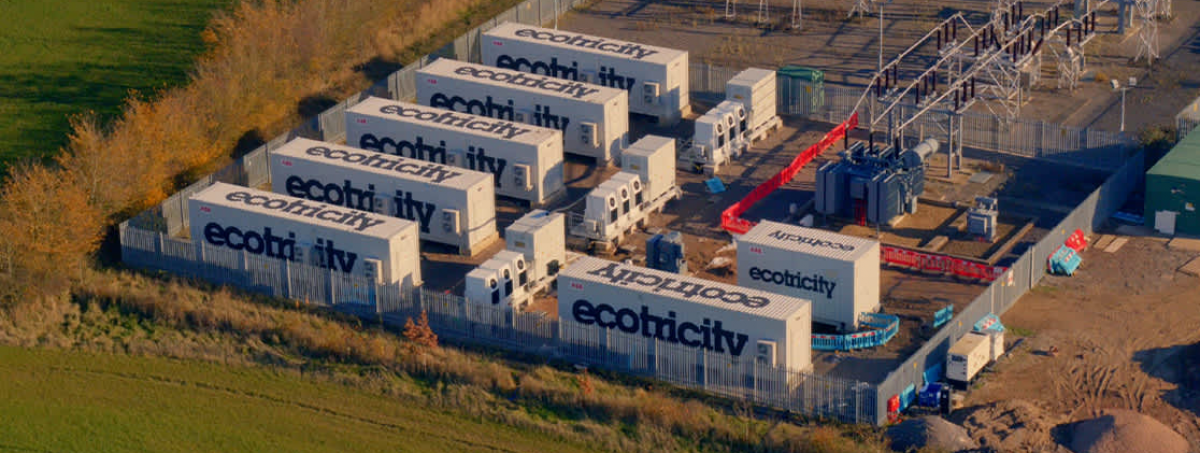
Ecotricity is funding a new UK regenerative farming carbon removal project, working with Agreena to purchase credits aimed at covering 100% of the energy supplier's hard-to-abate Scope 1 and Scope 2 emissions in 2026. The move follows Ecotricity's decision last November to stop offsetting its household gas through international carbon avoidance credits.
Ecotricity is a privately owned energy supplier headquartered in Stroud, Gloucestershire, and part of founder Dale Vince's Green Britain Group; the company reported a pre-tax profit of £5.1 million for the year to April 2024 and supplies around 167,000 domestic and business customers. Agreena is a Copenhagen-headquartered soil carbon platform founded in 2018 that has raised more than $77 million in funding, including a €46 million Series B round in 2023, and now operates across 4.5 million hectares of farmland in 17 European countries.
The structural driver is a shift in corporate carbon strategy away from international avoidance credits toward domestic, verifiable removal projects, as buyers respond to growing scrutiny of offset integrity. Ecotricity said removal represents the "gold standard" compared with avoidance, and that funding UK-based projects lets it support activity closer to its own operations rather than schemes further away.
The initiative channels funding through Agreena's farmer network to Gentle Farming, a fourth-generation family farm in Peterborough, to support practices such as reduced tillage and cover cropping that build soil organic matter and lock in carbon. Agreena issues third-party verified carbon certificates to participating farmers based on measured changes in farming practice.
Founder Dale Vince said conventional agriculture "has become heavily dependent on carbon-intensive inputs" and that regenerative practices let farmers "become part of the climate solution" by rebuilding soil health and biodiversity while capturing carbon. He said Ecotricity expects carbon investment generally to shift further toward removal technologies over avoidance in the coming years.
For the sector, Ecotricity's switch shows energy suppliers increasingly directing offset spending into domestic agricultural carbon removal rather than international avoidance schemes, tying decarbonisation budgets to measurable UK land-use outcomes.
Source: ecotricity.co.uk / punchline-gloucester.com / agfundernews.com










.png)

