


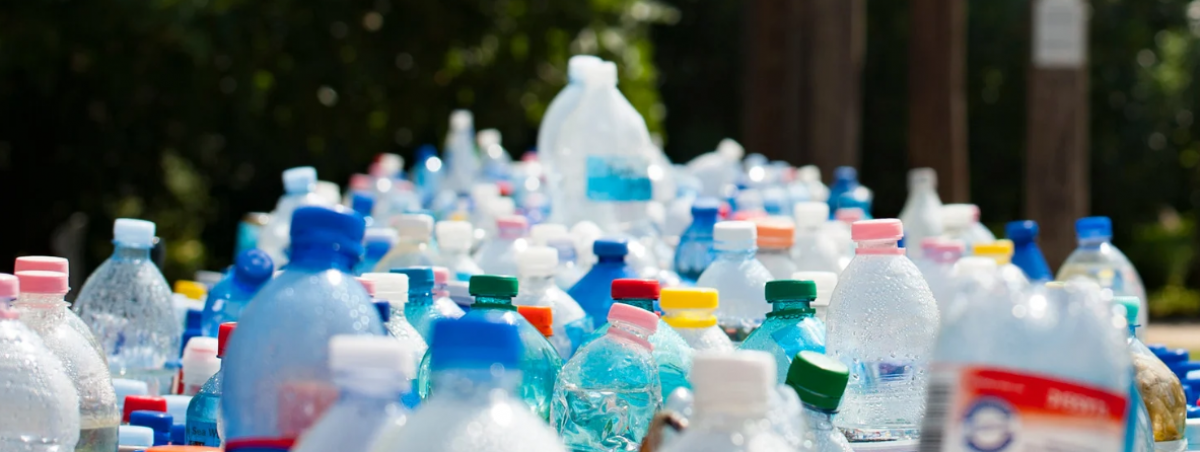
Ireland’s deposit return scheme has shown how a national circular system can work at scale. Re-turn, the not for profit operator, published its Annual Report 2025 in 2026, confirming that 1.4 billion drinks containers were returned in the scheme’s first full year. The return rate of 76.4 per cent closely matched the Government’s 77 per cent target. For green business executives in drinks, retail and packaging, the report offers a clear commercial lesson: well designed circular systems deliver measurable results.
The wider results are equally encouraging. Re-turn estimates that the overall recycling rate for bottles and cans now exceeds 90 per cent, compared with 49 per cent for plastic bottles before the scheme. An independent consultancy calculated 114,000 tonnes of avoided emissions in 2025. Public awareness of the scheme stands at 97 per cent. For sustainability companies, these figures show where verified data, carbon accounting and impact reporting can add value to circular programmes.
Quality is the first opportunity. Separate collection keeps material clean, and sorted bales reach at least 98 per cent purity, above the 95 per cent food contact standard. That quality allows bottle to bottle and can to can recycling, where used containers become new ones. A Limerick facility sorts about 700,000 containers an hour using AI based recognition. Producers gain a dependable source of recycled material, and reprocessors gain a consistent supply.
Infrastructure is the second. The network now includes 2,624 return locations, 301 registered producers and 7,381 registered retailers, with bulk reverse vending machines and a grant scheme that has approved more than 500 smaller retailers. Green companies in machine technology, logistics, data and retail services can support the push towards the 90 per cent target set for 2029. More than 4,500 community groups also fundraise through returns.
Reprocessing is the third. Ireland has no food grade rPET facility today, and Re-turn is progressing a feasibility study because separate collection has increased the viability of one. In 2026 it also plans to make collected material available for producers to buy directly at market rates. Environmental innovation in recycling technology, material tracing and recycled content supply can turn this into a domestic circular industry.
Three actions would help sustainable business organisations benefit. First, drinks producers should review packaging design and recycled content plans against the clean, high quality material the scheme now produces. Second, retailers and hospitality operators should explore bulk machines, grant support and charity partnerships, which make returns easier for customers. Third, technology, logistics and engineering firms should engage early with the reprocessing feasibility work and the planned cooperation with the United Kingdom scheme, due to launch in October 2027.
Re-turn’s 2025 results clearly show that sustainability excellence can combine environmental impact with practical convenience for customers. Citizens embraced a simple habit, and businesses built the systems behind it. The report also records a carbon footprint baseline and ISO 9001 certification, signs of a scheme that measures its own performance. The foundation is solid, and the opportunity for circular enterprise in Ireland is open.






.png)

