


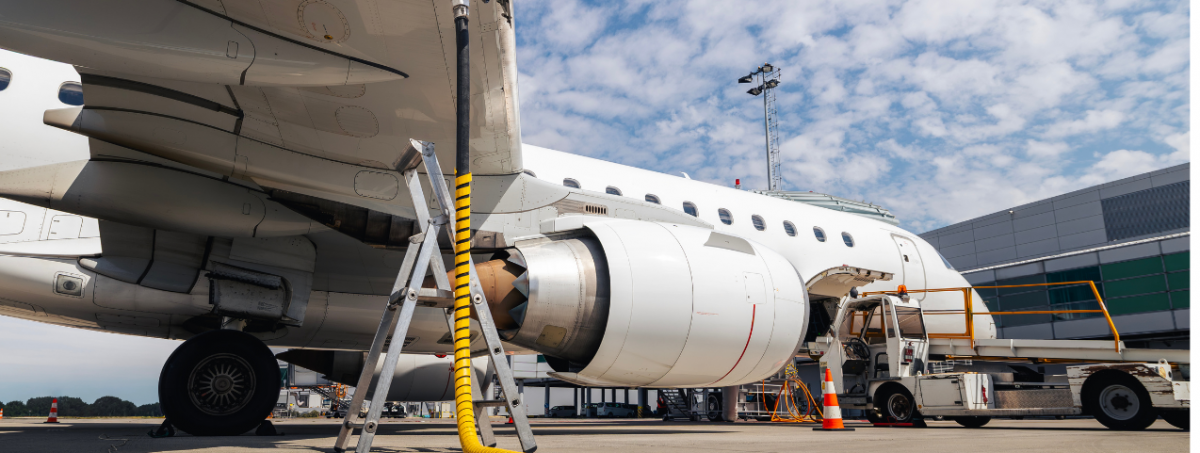
Ireland’s aviation sector has its first dedicated sustainability policy framework. On 21 August 2025, Minister for Transport Darragh O’Brien published Ireland’s first Sustainable Aviation Fuel Policy Roadmap, developed with a 27-organisation SAF Task Force spanning government, industry and academia. The roadmap sets out four pathways: market certainty, collaboration, uptake and production. For green business executives across aviation, agri-food and energy, it is the most commercially significant aviation sustainability policy Ireland has produced.
The roadmap is commercially grounded. The EU’s ReFuelEU Aviation Regulation mandates SAF blending of 2 per cent at all EU airports from 2025, rising to 6 per cent by 2030 and 70 per cent by 2050. Flights reported to Ireland rose by almost 2 per cent in 2025, exceeding pre-pandemic levels, per the EPA’s April 2026 EU ETS analysis. The three commercial dimensions most relevant to sustainability companies are feedstock development, production investment and market certainty.
Ireland’s agricultural and forestry resource base gives it a structural advantage in SAF feedstock supply. Agricultural residues, forestry biomass, municipal waste and waste cooking oil are all viable Irish SAF feedstock pathways identified in the roadmap. The agri-food sector is positioned to supply certified, traceable feedstock to Irish and European production facilities. The roadmap’s collaboration pathway commits to cross-sectoral engagement between Transport, Agriculture, SEAI and industry to develop the feedstock base.
The production investment pathway is the most commercially novel dimension. Ireland has no commercial SAF production facility, but the roadmap identifies the conditions needed to attract investment in biorefineries and advanced fuel processing. The EU Innovation Fund and InvestEU programme provide financing instruments for SAF production projects. Green companies in engineering and advanced manufacturing are best positioned to participate in early-stage project development.
The aviation decarbonisation challenge is a commercial opportunity the roadmap begins to unlock. SAF is the only scalable solution available to aviation within the current technology landscape. The EASA European Aviation Environmental Report confirms SAF can reduce lifecycle emissions by up to 80 per cent compared with jet fuel. Environmental innovation in SAF production, particularly advanced conversion technologies for agricultural and municipal waste streams, will determine which markets capture the greatest share of this opportunity.
Three actions would position Irish organisations ahead of the roadmap’s most commercially significant milestones. First, agri-food companies, forestry operators and waste businesses should engage with the SAF Advisory Group to register feedstock availability. Second, sustainable business investors and energy companies should position project proposals ahead of EU Innovation Fund timelines. Third, airports and airlines should develop SAF offtake strategies aligned to the 2027 and 2030 ReFuelEU targets.
Ireland’s Sustainable Aviation Fuel Policy Roadmap marks a substantive step toward sustainability excellence in one of the hardest sectors to decarbonise. Globally, SAF demand is projected to exceed 300 million tonnes by 2050 as blending mandates escalate. Ireland’s agricultural feedstock abundance, green energy policy and proximity to Europe’s busiest aviation corridors give it a credible position in the emerging SAF supply chain. The roadmap is the first step; scale-up is the work of the decade ahead.
(The views expressed by the writer are his/her own and do not necessarily reflect the views or positions of BusinessRiver.)






.png)

