


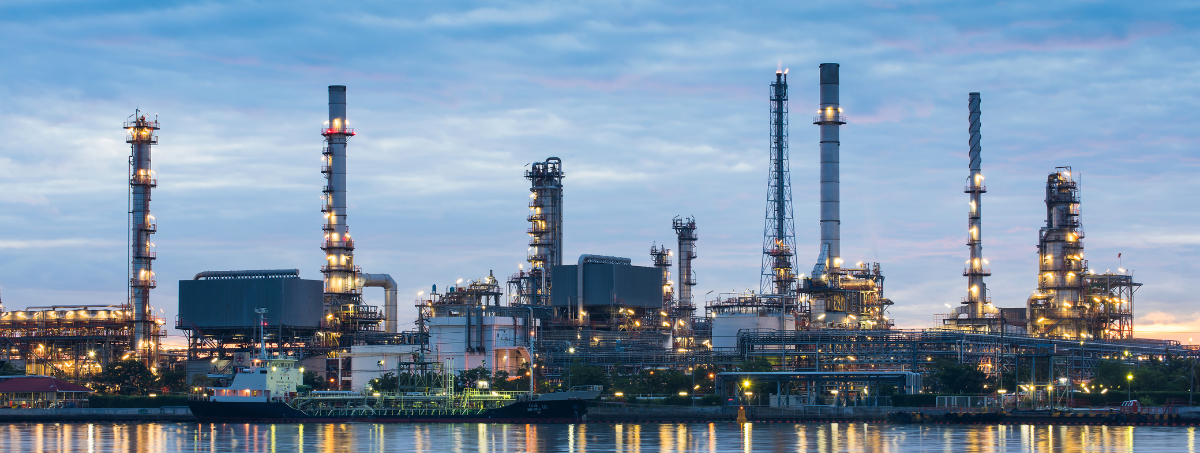
Egypt is positioning itself as a significant producer of sustainable aviation fuel (SAF), with a $570 million (approximately €479 million) refinery project in Alexandria entering its advanced development phase ahead of a targeted commercial opening in 2029.
As reported by Ireland's Travel and Trade Network, the facility is designed to produce 120,000 tonnes of SAF per year, using cooking oil as its primary feedstock. Once operational, the refinery is expected to eliminate approximately 400,000 tonnes of CO2 emissions from the aviation sector annually, representing a material contribution to the industry's decarbonisation targets.
The project places Egypt among a small but growing cohort of nations in Africa and the Middle East actively developing domestic SAF production infrastructure. Aviation accounts for approximately 2.5% of global CO2 emissions, and the sector faces mounting regulatory and commercial pressure to scale low-carbon fuel alternatives as international net zero commitments tighten.
SAF produced from used cooking oil falls under the hydroprocessed esters and fatty acids (HEFA) pathway, currently the most commercially mature and widely deployed SAF production route globally. Cooking oil-based feedstocks offer a well-established supply chain and proven refining processes, making them a practical foundation for first-generation SAF facilities in emerging producer markets.
With its Alexandria refinery, Egypt joins a pipeline of SAF projects advancing across Africa, Asia, and the Americas as airlines and fuel suppliers race to meet blending mandates introduced across the European Union and other jurisdictions.
Get the full picture on Egypt's SAF refinery ambitions and their implications for aviation decarbonisation.









.png)

