



Burges Salmon has advised Zestec Renewable Energy on a 10.42MWp solar photovoltaic installation and long-term power purchase agreement at London Luton Airport. The fully funded PPA structure removes the need for upfront capital investment by the airport while supporting its Net Zero 2040 target.
Burges Salmon is a Bristol-headquartered law firm with offices in Edinburgh, London and Dublin, reporting turnover of £178 million and net profit of £63 million for the year to April 2025. Zestec Renewable Energy is an independent power producer owned by funds managed by Octopus Energy Generation, part of Octopus Energy Group, which reported group revenue of £13.7 billion for the year to April 2025.
The structural driver is the spread of fully funded, zero-capex PPA structures across UK infrastructure operators, letting asset owners such as airports access on-site renewable generation without capital outlay while locking in long-term protection from electricity price volatility. Burges Salmon said the deal adds London Luton Airport to a growing portfolio of UK airport solar projects it has advised on.
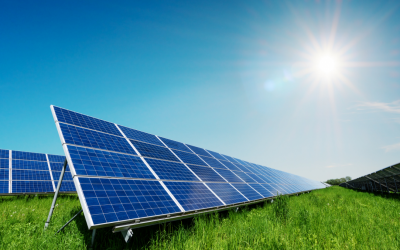
The installation, delivered in partnership with Ikigai Energy, will comprise more than 14,500 solar modules across five development areas within the airport's secure airside perimeter. It is expected to generate up to 11.2GWh of electricity annually, delivering forecast first-year carbon savings of around 1,467 tonnes of CO2e.
London Luton Airport is operated under a concession from Luton Rising, the airport company wholly owned by Luton Borough Council. The Burges Salmon team was led by Ross Fairley, head of renewable energy, with support from colleagues across the firm's energy and utilities, real estate and construction groups.
Fairley said the project "demonstrates how the energy transition is moving beyond traditional power generation and becoming a critical part of the long-term strategy for major infrastructure assets." Simon Booth, chief executive of Zestec Renewable Energy, said the deal reflects "a wider shift across infrastructure-intensive sectors towards greater energy independence and sustainability."
For the sector, the Luton deal shows fully funded PPA models maturing into a repeatable route for airports and other infrastructure operators to decarbonise without competing for capital against core operations.
Source: burges-salmon.com / lawgazette.co.uk / en.wikipedia.org










.png)

